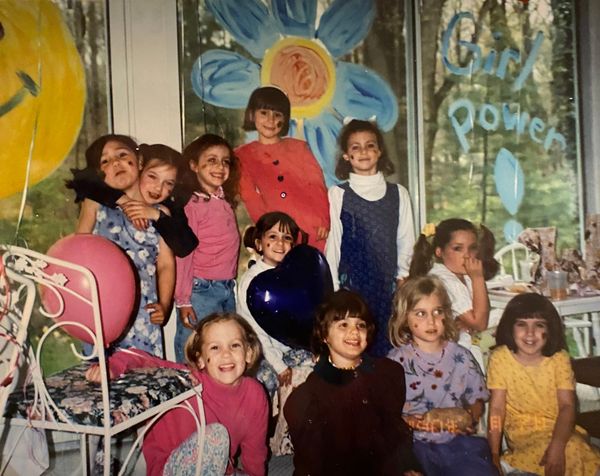
100 Days of Solitude
yes, it's mostly tongue-in-cheek.

OK, I know. A hundred days is not that long in the grand scheme of things. And yet, if you know me, a hundred days of relative quiet might as well be a hundred years. I'm an extrovert who thrives on consistency. Online, they'd call me a yapper. Unfortunately, accurate.
I crave structure I didn't build myself. Curse my Taurus sun for the reliability obsession and whatever gene handed me the "must have a routine or I will spiritually unravel" trait to begin with. With all this newness, I wanted to speak to where I've landed. Or, rather, where I'm still landing.
I used to have all of that, in spades. My last job had a routine so consistent it bordered on liturgy. Once a month, sometimes more, I flew to the Caribbean with the same three or four men — DC and London, meeting in the middle at a beachside resort — to sit in business formal in the coldest conference rooms on Earth, glasses fogging the second we stepped back outside into the heat. A lunch playlist that was always the same: soft white-woman jazz covers of songs that were better the first time. I knew everyone's breakfast order. Everyone's drink order. Who might appreciate the extra Gatorade or Diet Coke in my mini fridge.
I should say clearly: none of them ever said it out loud, but I always knew I was the only woman in the room, and the youngest by nearly two decades. No one made me feel unwelcome. But I was also, by default of seniority, the one keeping track of our dinner reservations, sending reminder emails, doing the invisible administrative math that somebody always has to do, and it was always going to be me. They treated me like a peer. I still knew I wasn't, in that specific way you know how org charts work, but I appreciated their kindness anyway.
And there was real affection there too, real friendship, not just proximity dressed up as closeness. We had long nights laughing, 007 lore recycled over many a vesper martini on a patio couch that felt like it molded to my slouched form. Hours spent waiting for meetings that got canceled anyway, taxi rides down pothole-ridden roads where you gripped your seat and made peace with God. After my husband and my cats, two of these men pop up in my phone's photos as top "People & Pets" from all my chronicling, and I still carry advice given between meetings on that island — offhand, half-joking, the kind of thing that sticks.
The other weeks of the month back in DC, I was in the office three or four days a week. A ten-block walk down the same street. I'd get there before the A/C kicked in, making the rounds to chat with anyone who already had their coffee that morning catching up with the ongoings of interns and EVPs alike. But the real reason I came in? My pal, Stef.
When I joined my previous employer, I intentionally chose the desk directly in front of the head of my practice — a lite psyop for face time. After he left, I stayed there because it made sense: it was around the corner from Stef's section of the floor, close enough that I could get up, barrel around the corner with Caribbean news, and lean on his door frame whenever I needed to bounce ideas off of someone.
The first time I met him, he had his bridle-bit loafers up on his desk. In my mind I can still hear the sound of those bits clinking as he walked — brisk, always moving, somehow both the CEO of his firm and the most approachable person in the building.
He kept bourbon in his office for special occasions. The week two of my colleagues quit within days of each other, I walked silently into his office, having grabbed a Dixie cup from the bathroom's Listerine dispenser, poured myself two shots and drank them like a normal, well-adjusted person. He wrinkled his nose, found a dusty glass off a shelf, wiped it out with his finger, and said, "That's Woodford Reserve. You should really use a glass."
We knew each other well enough that he'd clocked all my tics: including the worst ones. I have a habit of starting stories with, "It's funny —" and then saying something genuinely horrific. Once Stef caught on, he started interrupting me every time: "Now hold on. Is this actually funny, or is this about to be the most fucked up thing I've ever heard?" It was usually the latter.
He'd play the Grateful Dead one minute and insist on nineteenth-century hymns the next. Never found a needle-point belt he didn't like. Stef also had the delightful object permanence of a baby: if you weren't physically in front of him, it was hard to stay on his radar. To be fair, he's a CEO and I borrowed hundreds of hours of his very expensive time just to gab in the first place.
And I get it, I work the same way — I don't love to put all my thoughts to writing. I need to be able to watch someone's face while they react before I fully trust my own read. He was in the office Monday-Friday, which is sort of the job description for an executive anyway, but it also matched how he liked to get things done: fast, chaotic, oddly efficient coordination. When he was on calls, I'd wait outside his office with his mini putt-putt set in the hallway, practicing my swing until the door opened again. Some things are far better communicated without Outlook receipts.
Now, for the first time maybe ever, my community exists almost entirely inside rectangles on a screen. But hey, I have peers. An org chart I didn't have to climb, I walked in with a seat at the table. Recognition and praise. I'm no longer the designated glue that holds everything together, I'm a leader in my own right. It's everything I didn't know I was missing.
But what I don't have is anyone in the room to enjoy it with. It turns out being needed and being valued are two different feelings. I'm trying to live in the second without instinctively reaching for the first — the way you might reach for a job that isn't yours anymore out of muscle memory.
There's no one above me to bother, no authoritative footsteps to make me frantically hide my internet browser and pretend to look busy. All of my past roles were in service of other people being nearby. Now I sit alone in my apartment staring at monitors all day.
I've also had to redefine what "my people" means here. My onboarding buddy assigned in the purely logistical and temporary nature is now someone I ping the second I need to think out loud. My predecessor, who was supposed to disappear from my life the moment the handoff was done, has instead become a gut check on what I will neutrally refer to as "stakeholder management."
Classic me, though. I've made permanent fixtures out of people my whole life — bartenders, coffee shop regulars, strangers on the internet. A twist on the old If You Give a Mouse a Cookie: give me a hint of warmth and I might just attempt to turn you into my community. Not necessarily a bug of the system, just a bit more exertion to run remotely.
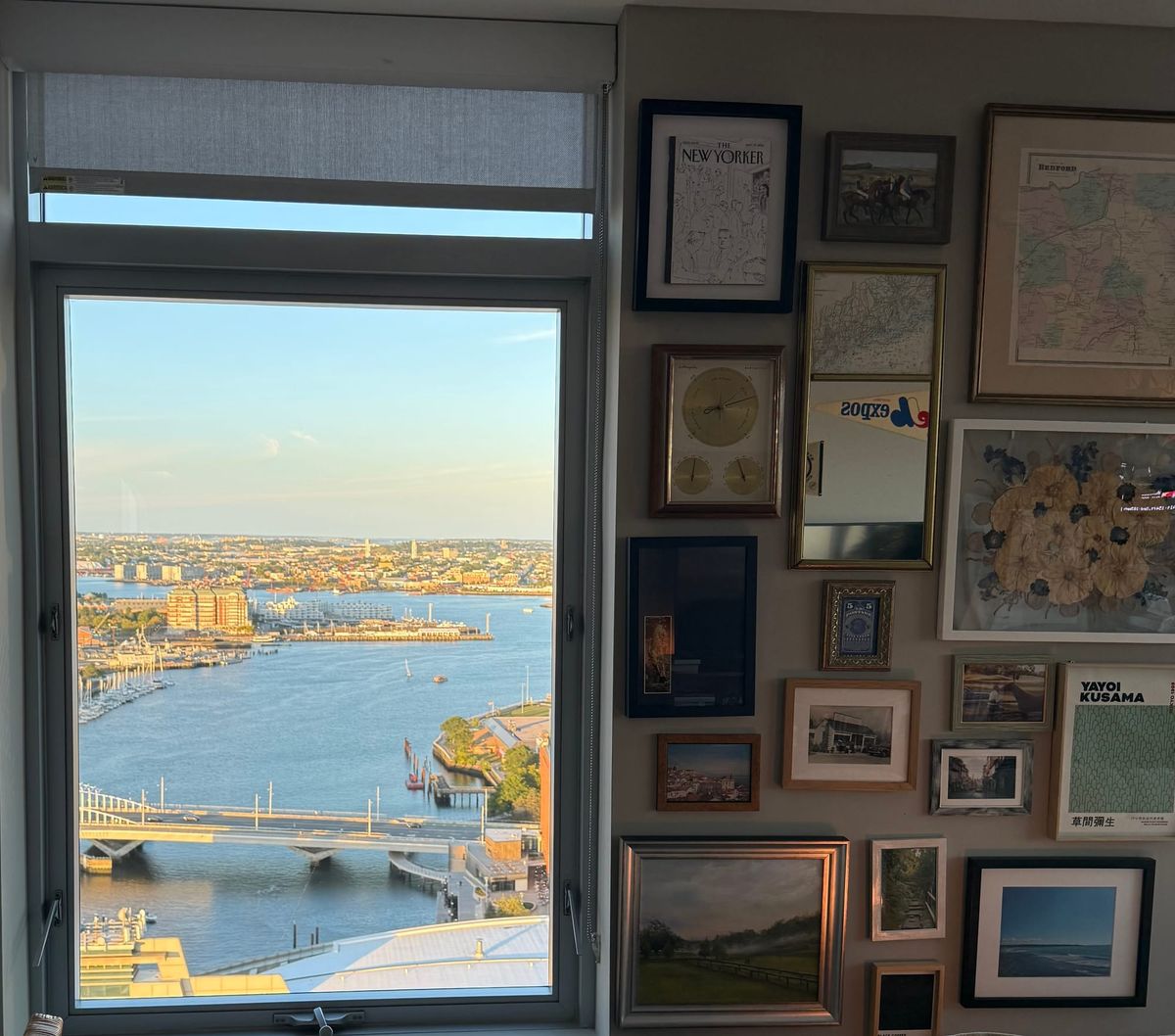
When I introduce myself on every Teams call, I mention where I live — vertically speaking — and that they're welcome to come visit any time they're in town for a game or a concert. A few years ago, I might have meant that as a hint, a soft ask to be included. But now I mean it exactly as it sounds: no expectation attached. I don't own the Garden, and I don't own the city. Go, don't tell me, I promise I really won't be offended. I just present the standing offer like an aging bottle of Woodford Reserve on K Street.
In writing all this out, it occurred to me maybe the solitude is why I restarted this newsletter. Yes, to get back to writing but to talk to someone.
Regardless, thanks for letting me yap at you. I promise I'm working on it.