Care, Elected
Or: the electoral policy of caring about other people.
Last Tuesday night I sat alone in my apartment, drinking perhaps more than I should through gritted teeth, while a Disney concert played in the arena below me. I had my screens to distract me. On the small one, I traded memes with friends throughout this country and others, trying to talk them off the ledge I was also careening off of. On the medium one, the refreshed NYT needle teetering toward results that were well-beyond any managed expectations. On the big one, Massachusetts' favorite son, Steve Kornacki, live and tireless in his stiffly-starched khakis — likely living off of Dunkin' and a dream.
It was past midnight when I changed the channel to Fox News, and the thought ran across my mind: should I count my screen time cumulatively or chronologically? Is it possible to consume the ends of content? Hope can be a powerful drug.
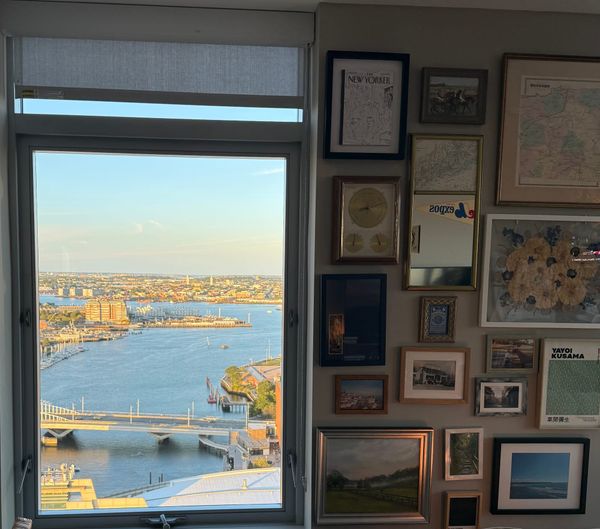
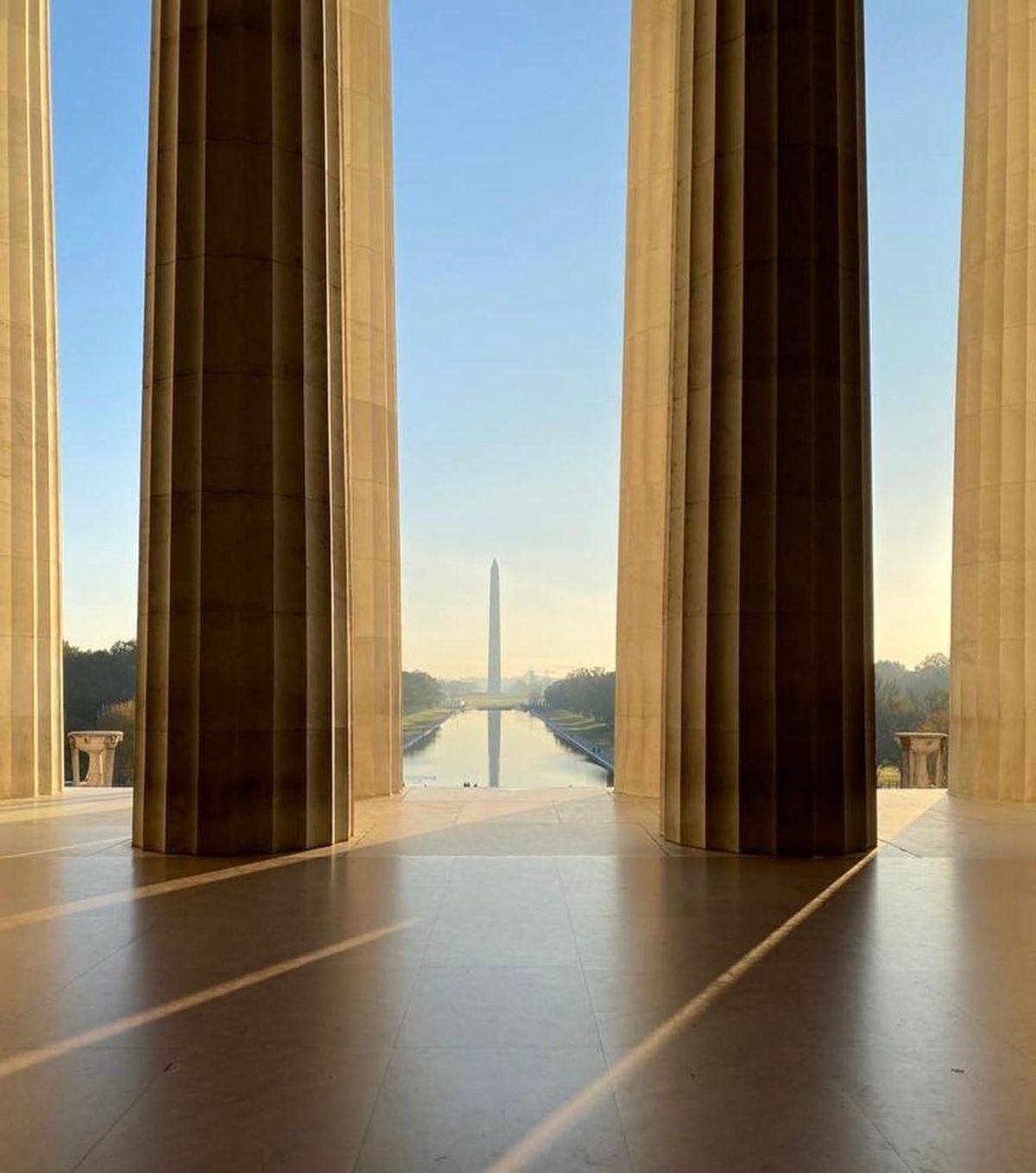
Let me be clear about one thing: the scoreboard was huge. I'm not going to pretend otherwise to seem measured. I was even joking that I would walk to the Washington Monument of Boston (Bunker Hill Memorial) with a bottle of champagne just to feel something.
But reflecting on the momentous occasion, I was indeed finding myself deep in my feels with what these wins represented. To me, it reads as citizens wanting to vote for people who care. Voters want public servants, in the oldest sense of the phrase: someone who serves the people they work for, who believes in their community, who wants to make the world a little better for those around them.
In the last few weeks, I've had a lot of textured conversations about life and the future, and the anxiety seeps back into my jaw. But underneath most of them was the same wish, to see civic representation as a form of care.
Nothing summarizes my feelings more than a headline I came across about a decade ago, when I was in a much darker place: I Don't Know How to Explain To You That You Should Care About Other People. The first six months after the 2016 election in my DC basement apartment led me to decide to leave the country. My roommate, in her oversized baby pink Planned Parenthood tee, walking to her room with at least two fingers of Evan Williams nearly every evening.
But around the time this article came out, we witnessed live via C-SPAN a dying man from Arizona walk to the front of his workplace and give a literal thumbs down to his own party's agenda in an effort to save healthcare for millions of Americans. The feed cut out immediately — we thought it had been hacked.
People show care differently. I've written at length about how I do, so I need not repeat it, but for politicians it's often selling a dream and telling people it's what they want. I think the left and right mostly disagree about where care should live.
For a lot of Republicans, it's personal: family, church, the neighbor on your doorstep with a warm meal, the belief that you help your own. For a lot of Democrats, it's structural: no one can do it alone and you must build care into the system, so that it doesn't have to depend on being lucky enough to know generous people. Both can be real, both can be performed. Care can then feel a bit like reading AI language — no em-dash is automatically fake, but there's an uncanny valley sensation to inauthenticity. It's more about the intent, effort, and practice.
And while my practice includes devotion and service I have to other people, my well of energy isn't always self-sustaining. Despite the rizz and extreme moral sensitivity to what I believe is right and wrong, I could never run for public office for many reasons. I appreciate privacy, for one — public life demands great sacrifice. Ultimately I much prefer to be a mix of a secret admirer, a man behind a curtain, and a proactive advocate without stretching myself too thin. But my smile has widened during quiet moments this week when I think about what change can look like with people in office who are vowing publicly that they will make a difference.
Unfortunately, optimist deep down, despite all odds. Don't worry, I am in on the joke about millennial optimism, though. Other generations appear to picture rose-colored glasses and naive kids with their heads in the clouds. But imagine the glasses were actually the color of the sky. Things felt possible. We were invincible, the music was incredible, and we were not constantly under surveillance. We were allowed to feel more connected to each other despite less contact. A presumption of innocence, if you will. Hope with eyes open and the wish to be good and do good anyway.
I won't tell you how little I slept, or my final screen time count. But I got up in morning having watched the sun rise and proceeded through day of closed-door meetings about the ways we communicate with one another through changes big and small. I also had the privilege of seeing one of my favorite people — one who I met during my millennial optimism era (here's your cameo, old friend). Living proof that some things can in fact survive past any nostalgic, grainy Instagram filter. Again despite all odds.
Thanks for reading and indulging in a bit of millennial optimism with me. If you want any of the memes or hopecore videos I've consumed in the last seven days, let a gal know. Might even make a playlist.